
A self-initiated La Rosée × China concept campaign, run end to end with AI at eight stages.
La Rosée · Global KV concept · AI‑generated
La Rosée × China, a self-initiated concept campaign. Not affiliated with or commissioned by the brand.
Over three weeks I ran a marketing campaign from brief to measurement with AI at every stage. The case was self-initiated: La Rosée, a French pharmacy skincare brand founded in Lyon in 2015, entering the China market.
I chose to run the whole thing because I need to know which parts of this work the technology can carry, and which parts clients will still be paying me for in five years. The workflow ran in eight stages, orchestrated as a single Claude Cowork project: brief interrogation, research and insight, strategy, creative concept, production planning, pre-production, QA and compliance, and measurement. AI generated at every stage. I decided at every stage.

Caption: AI-augmented eight stages overview
Urban Chinese women in their twenties and thirties grew up under a reliable contract: effort converted into results. A better exam score bought a better university, then a better job, then an apartment. That conversion rate has fallen. Graduate numbers keep setting records, hiring has tightened, and property has stopped working as an automatic ladder. The effort continues at the same intensity while the returns compress.
内卷, involution, is the word that names it, describes any competition that intensifies without producing gains.
What follows is the part that matters for a brand. She keeps going less because she expects to win than because stopping feels like falling behind, and rest arrives attached to guilt. 松弛感: a relaxed quality, an unforced ease, often projected onto French and European women. Looking after yourself is ordinary maintenance rather than a reward you earn once the work is finished. The permission is hers to give, and that is the part she finds hardest.
A gentle eye care product stops competing with actives and starts doing something else: it becomes the one step in her routine that asks nothing more of her. The platform followed from that: 「松弛 · 无负担」, French ease, no burden. Gentleness is what makes the promise credible rather than what weakens it.
The brand layer carries La Rosée’s own tonality. It shows the state itself: natural light, one unhurried gesture, ease as an ordinary fact of the day. The line stays in the brand’s voice, 「松弛,本该如此」, ease, as it should be.
The local layer is built as a transformation rather than a comparison. It opens on the moment she recognises, the hand that keeps going at eleven at night, then the one gesture with the product, then the release into the same ease the brand layer holds. 「做得够多了」, you’ve done enough. The insight sits at the start, the ease arrives at the end, and the product is the step between them.

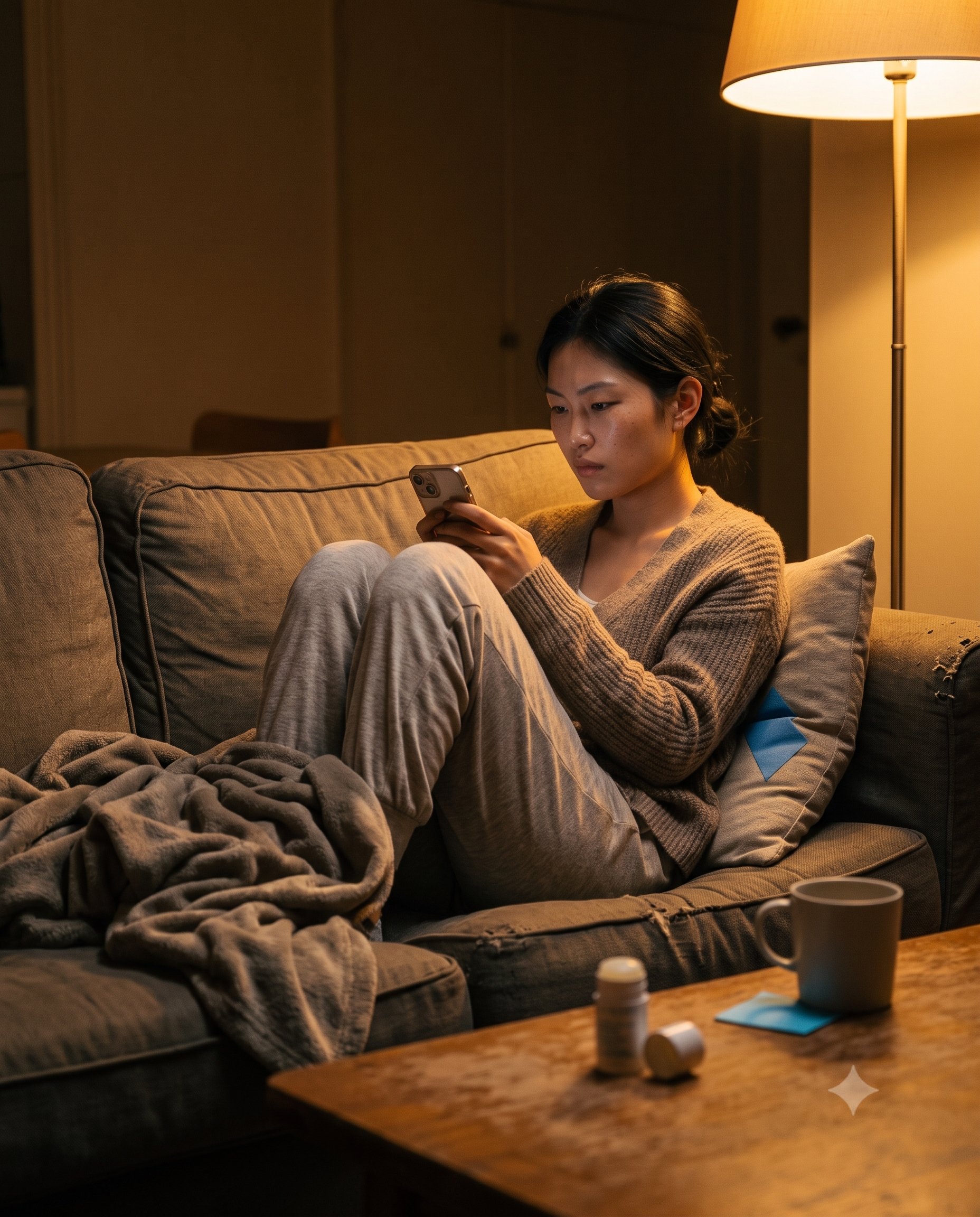
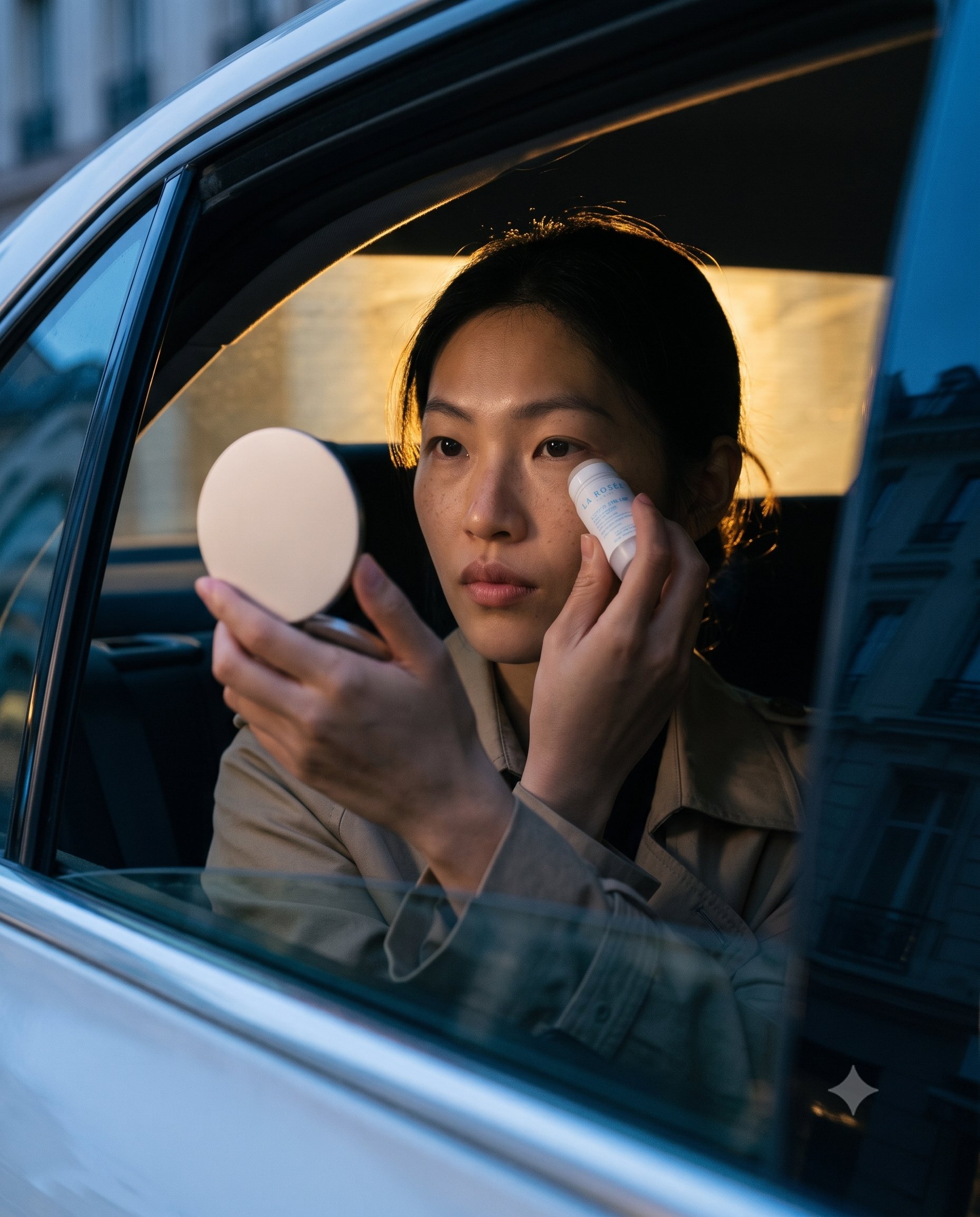
Image caption: China Social KV Concept — ‘You’ve done enough’
The cultural reading was mine. AI took the read and went looking for what would support it: category and consumer data, the competitive field. It organised the whole thing into an argument with each claim sitting next to its source. That would normally take a week. It took an afternoon.
Building the deck turned into a tooling exercise before it became a content one. I tested five routes: Claude, Canva AI, Gamma, Gemini Canvas, and Google Slides wired to Sheets. The finding was that no single tool covers everything.
What I found is based on my own working habits and the kind of decks I build. Someone who works differently would route differently, and the tools keep moving. The boundaries between them are already blurring, and this table will need redrawing.

La Rosée · Comparing AI tools to generate a deck
As someone who is not a designer, this stage was the hardest, and it is the one where I am still learning.
The first problem was consistency. A campaign needs a visual world that holds across a set: same light, same skin, same grade. Prompting each image independently produces drift. I ended up building a small prompt tool to keep that disciplined, which is a fair indication of how far this sits from simply describing what you want.
Then the other problem was tonal. A long, precise prompt is what carries a specific creative idea through, and the same precision can push the result toward you need. What surprised me is how closely the process resembles ordinary creative development. AI runs that review-adjust loop faster and it opens to people who did not train as designers, which is the part I value most. At the concept stage, where the job is to find out whether a direction reads before anyone commits a production budget, that is a further step for me.
The honest summary: this got me far enough to test a direction and align people around it. Taking it further needs a creative director, and I would work with one rather than push the tool alone.
The automation is real. Research that used to take a week takes an afternoon. First drafts arrive immediately. Production planning, the asset matrix and budget and timeline, was the fastest win of the entire run.
What stayed with me was choosing. AI produces options and holds no view on which one is worth defending. It also has no direct experience of the world these decisions are about, which matters more in cultural insight. And it will agree with a weak idea pleasantly, so the work involves challenging it and auditing constantly. The most useful habit I picked up was the reverse one: making the AI interview me before it produced anything.
Being AI-native was never about the tools. What doesn’t move is knowing how to work with AI: where its limits actually sit, which decisions you never hand off, and how to design the workflow that holds it all together. That’s the skill; the tool is just this month's version of it.
So it doesn’t replace us. It tests your idea, and how sharp your decision-making is. That lands hardest on junior roles, and I won’t pretend otherwise. For the rest of us, the part of the work that used to sit underneath the deliverable, the reading and the judgement and the willingness to argue with what comes back, is now the deliverable itself.
Planning a launch in China/Europe?Share where you are, what’s at stake, and what you’re trying to move.
Write to me → or write directly to nina@xuconseil.fr